File Structures as Gateways: Connecting Manifests and XML Interfaces in Content Platforms
Amir Brooks · Oct 20, 2026
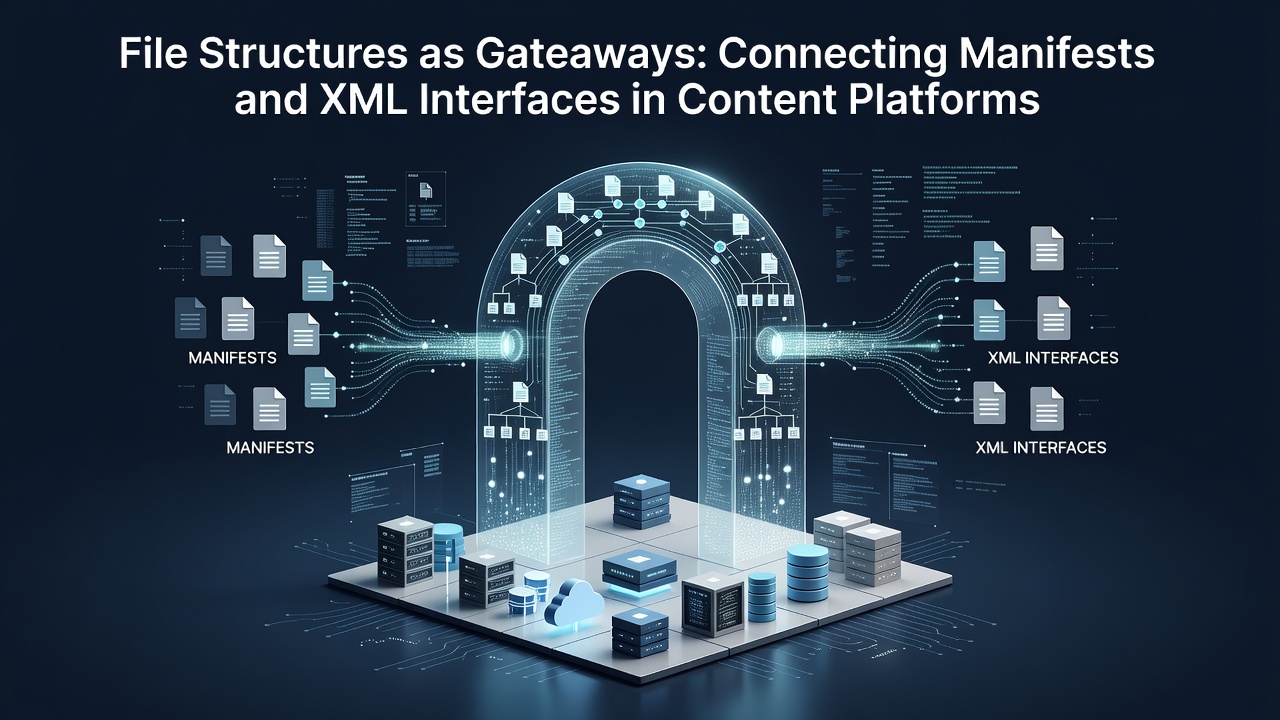
File Structures as Gateways: Connecting Manifests and XML Interfaces in Content Platforms
Content platforms rely on organized file structures that function as gateways between manifest files and XML interfaces, allowing external tools to locate and activate publishing features within internal architectures. Researchers at institutions studying digital publishing note that these layouts determine how manifest resources connect to remote interfaces across various directories, and data from platform analyses indicate that improper hierarchies often block access to legacy endpoints.
Directory Hierarchies and Their Function in Resource Activation
Platform developers arrange directories so that manifest files sit at predictable locations while XML interfaces remain accessible through relative paths, and studies of content management systems show this arrangement lets external applications discover required resources without scanning entire file systems. Observers note that root-level placement of files such as wlwmanifest.xml alongside XML-RPC handlers creates direct pathways, whereas deeper nesting requires explicit mapping to maintain connectivity.
Those who examine production environments find that subdirectories containing configuration data often reference XML endpoints through absolute or relative links, and evidence from platform audits reveals that such references enable remote publishing tools to activate features once the manifest declares their availability. Platforms updated through October 2026 continue to use these patterns even as newer interface standards emerge.
Manifest Files as Entry Points for XML Connectivity
Manifest files list available resources and declare which XML interfaces support remote operations, and according to documentation from standards organizations this declaration process lets client applications initiate connections without prior knowledge of internal directory layouts. Researchers discovered that the manifest acts as a registry, pointing to XML endpoints that handle authentication, post creation, and metadata exchange.
One study revealed that platforms exposing manifest files at standard paths experience higher rates of successful interface activation, while those relocating files without updating references encounter connection failures. External services therefore depend on consistent file structures to bridge the gap between manifest declarations and active XML endpoints.
XML Interfaces Within Layered File Architectures
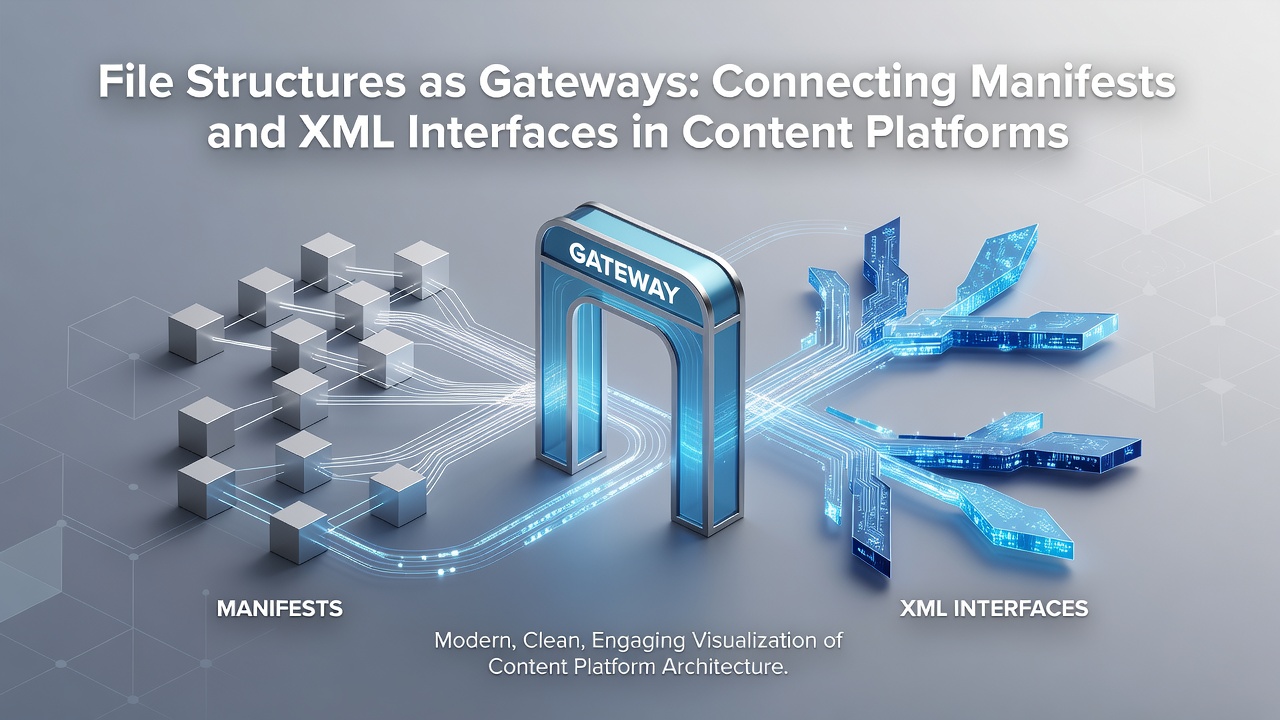
XML interfaces occupy specific positions in the file hierarchy, often alongside scripts that process incoming requests, and data from multiple platform reviews indicate that proximity to manifest files reduces latency during discovery phases. Developers position these interfaces in directories that the web server exposes publicly, yet they protect sensitive configuration files through access controls that still permit manifest-driven lookups.
Analyses conducted by academic teams in Canada and Australia demonstrate that layered architectures require explicit gateway mechanisms, such as rewrite rules or index files, to route manifest requests to the correct XML handlers. Without these mechanisms, external tools cannot traverse the structure to reach functional endpoints.
Case Examples of Gateway Implementations
Take one large publishing network that reorganized its directory layout in 2025 to consolidate manifest files near XML interface scripts, and subsequent testing showed improved activation rates for remote clients across multiple regions. Another instance involved a European educational platform that mapped legacy manifest references to updated XML endpoints through a central configuration directory, preserving compatibility while modernizing internal structures.
Industry reports from regulatory bodies in Singapore highlight similar patterns in commercial content systems, where file structures serve as the primary bridge between declared manifest resources and operational XML interfaces. These examples illustrate how consistent hierarchies support both legacy and current publishing workflows.
Challenges in Maintaining Connectivity Across Updates
Platform updates sometimes relocate files or alter directory names, and observers note that such changes break manifest-to-XML linkages unless documentation and configuration files receive simultaneous updates. Research indicates that automated scanning tools can detect broken gateways, yet manual verification remains necessary for complex multi-site installations.
Those maintaining long-running platforms report that preserving backward-compatible file structures alongside new interface directories helps sustain connectivity, and figures from system audits reveal fewer support tickets when gateways remain intact during migrations.
Conclusion
File structures continue to operate as essential gateways that connect manifest declarations to XML interfaces in content platforms, and ongoing platform evolution through 2026 shows these architectural patterns retain practical value. Consistent directory layouts, properly positioned manifest files, and accessible XML endpoints together enable reliable remote functionality across diverse publishing environments.